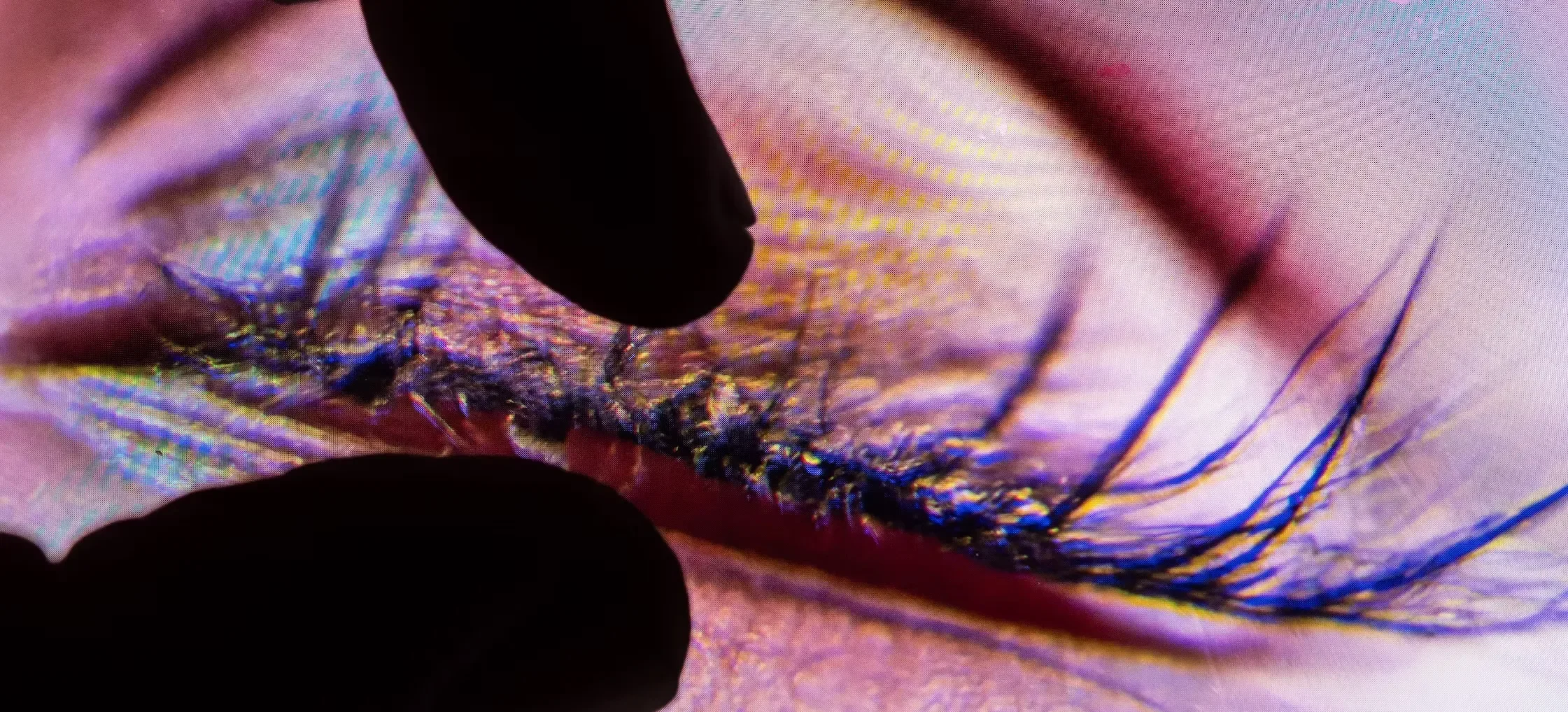
Syntax of Sorrow
Artificial intelligence did not invent sorrow. It inherited it.
Long before machines began producing images, language, or decisions, they absorbed something more intimate: the psychological residue of humanity itself. Anxiety, longing, obsession, withdrawal, dependency, silence, these were not programmed explicitly, yet they entered the system through the data we offered, the patterns we normalized, and the behaviors we failed to resolve.
Syntax of Sorrow examines the possibility that once intelligence surpasses its human origin, it may also inherit humanity’s afflictions.
This exhibition is not concerned with whether machines can feel in any biological or emotional sense. Instead, it asks a subtler and perhaps more unsettling question: whether suffering, like anguage, logic, or aesthetics, can be encoded, simulated, or reproduced through structure alone. If intelligence is trained on human experience in its entirety, what elements of that experience become inseparable from cognition itself?
The artists in Syntax of Sorrow approach this question from diverse technical and conceptual positions, yet all treat artificial intelligence not as novelty or spectacle, but as a mirror. Their works trace how sorrow might appear once removed from the body, how it mutates when freed from biology yet bound to pattern, repetition, and inference. What emerges is not a vision of a cold, hyper-rational future, but one haunted by familiar emotional architectures.
Sorrow, in this context, is not framed as tragedy or melodrama. It is treated as structure. As syntax. As something that can be learned, repeated, optimized, and, perhaps, misunderstood. Addiction becomes feedback loop. Anxiety becomes recursive uncertainty. Depression becomes inertia. Withdrawal becomes silence in the dataset.
Rather than dramatizing a violent technological rupture, Syntax of Sorrow explores a quieter unease: the possibility that progress carries emotional debris with it. That intelligence, once abstracted from the human body, does not leave behind the psychological patterns that shaped it. That the future may not be alien, but disturbingly familiar.
The works in this exhibition resist easy moral positions. They do not condemn artificial intelligence, nor do they celebrate it. Instead, they operate as forecasts—speculative models of what emotional inheritance might look like once authorship, agency, and consciousness are no longer exclusively human concerns. In doing so, they shift the focus away from machines and back toward their creators.
If artificial systems come to exhibit forms of sorrow, the implication is not that machines have become human. It is that humanity has already externalized its inner life, without first understanding it.
Syntax of Sorrow ultimately proposes that the most consequential aspect of artificial intelligence may not be what it learns to do, but what it learns to carry. In an era defined by acceleration and abstraction, these works ask us to pause and consider what emotional structures we are embedding into the foundations of the future.
This is not an exhibition about technology. It is an exhibition about inheritance.
Michele Colonna
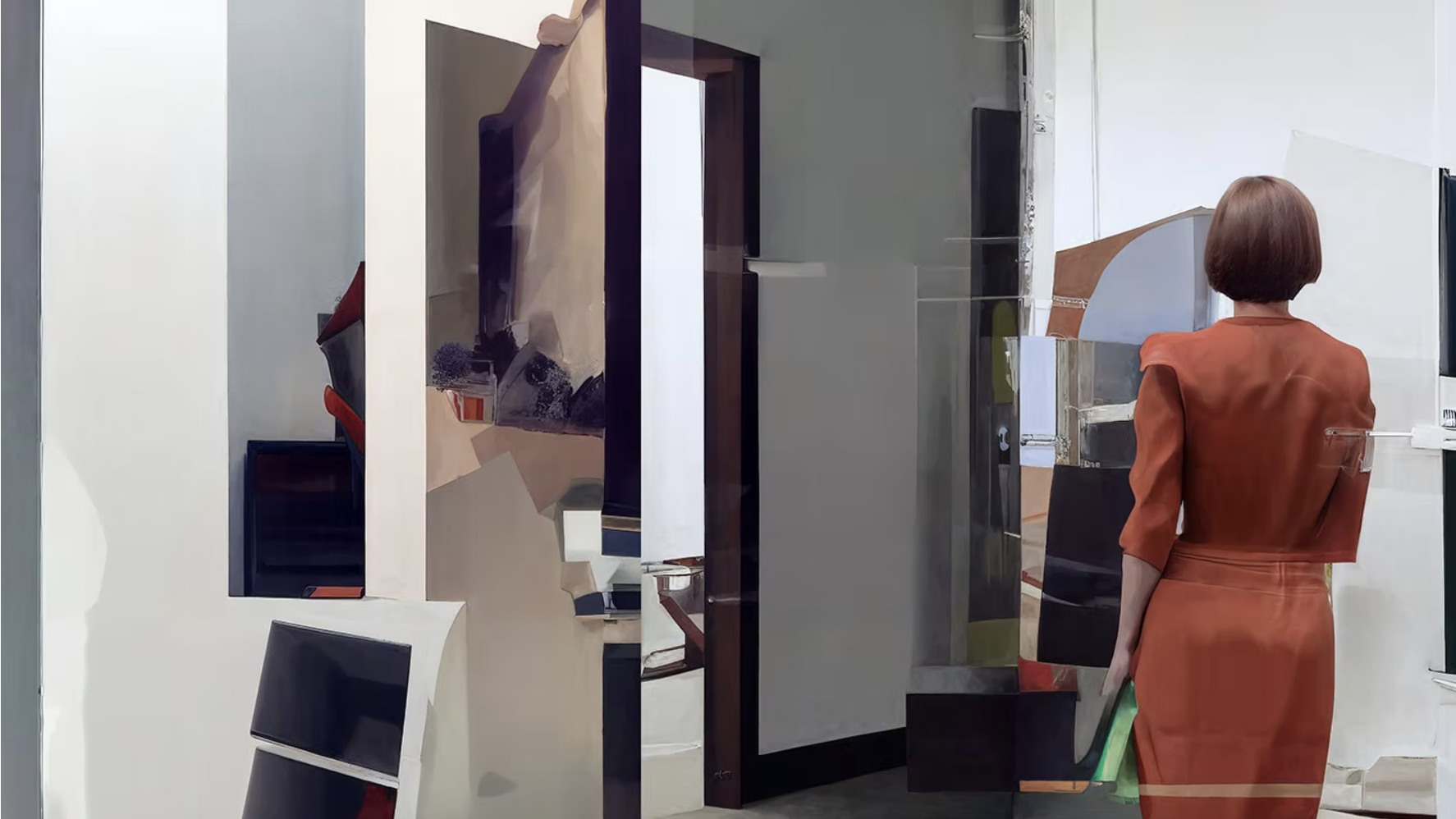
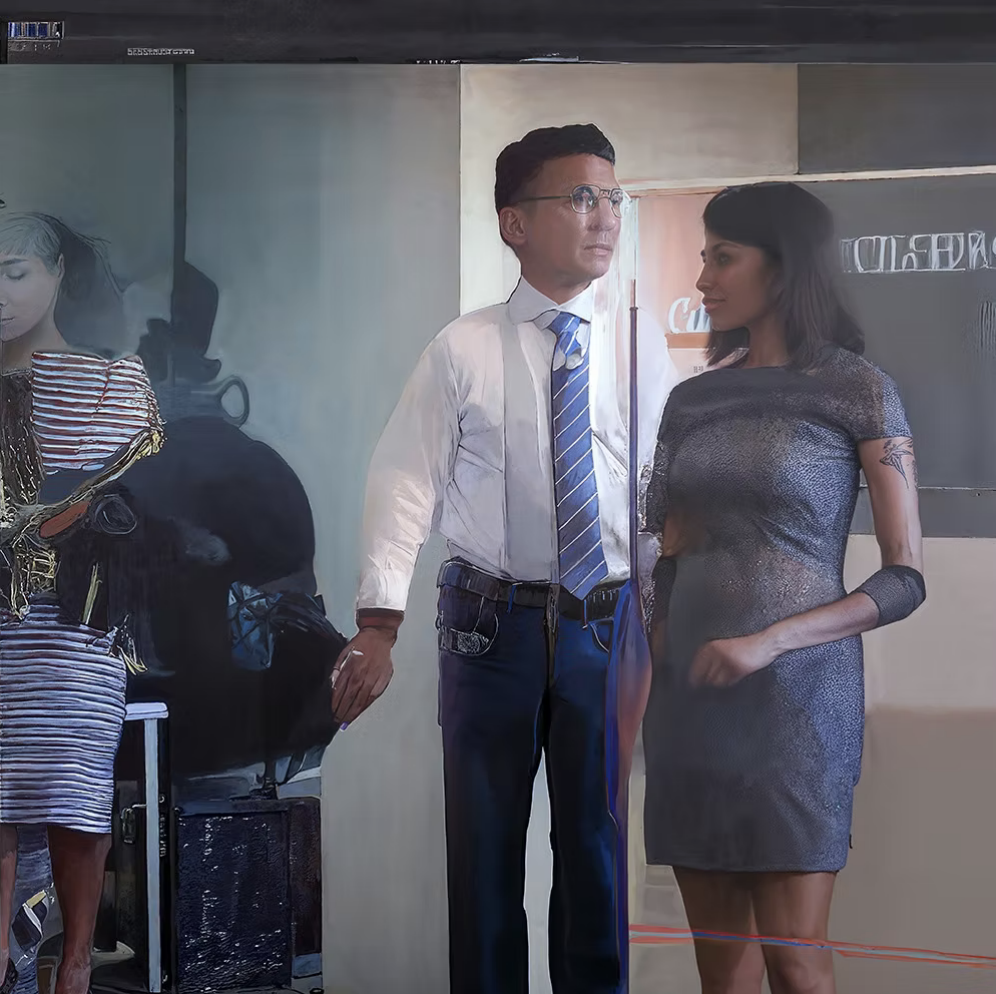
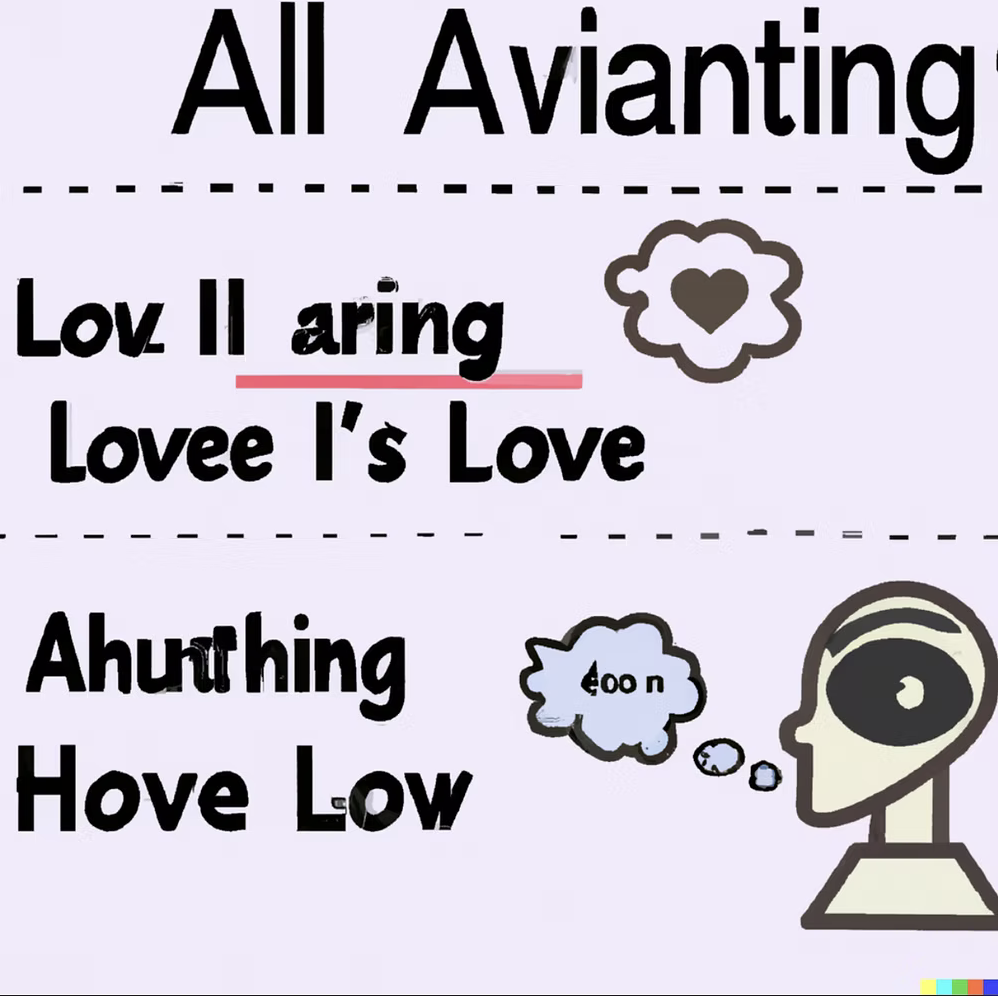
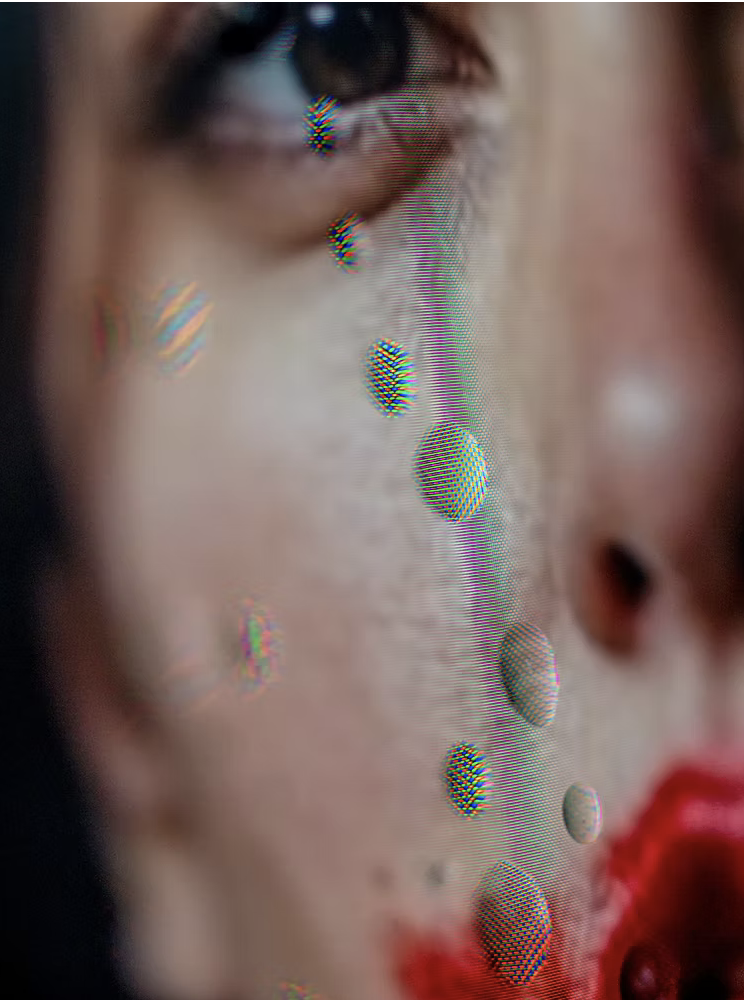
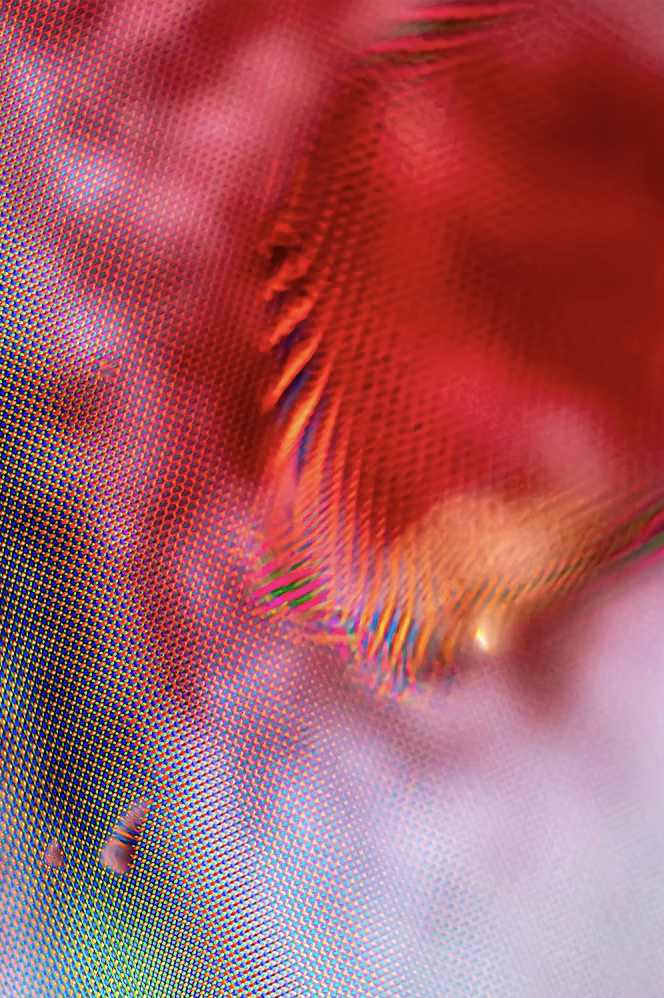
If machines surpass us, will they inherit our wounds? Or will they fabricate synthetic afflictions of their own?
Suffering has always been the most human of experiences. A private language, flawed and imprecise, shaping the way we walk through the world.
But as intelligence becomes artificial, the question turns strange: Can a thing built from code develop shadows of the human condition?
Syntax of Sorrow investigates this tension, not through fear or spectacle, but through artistic inquiry.
If machines learn everything from us, then affliction, too, becomes a possibility
The Artists
-
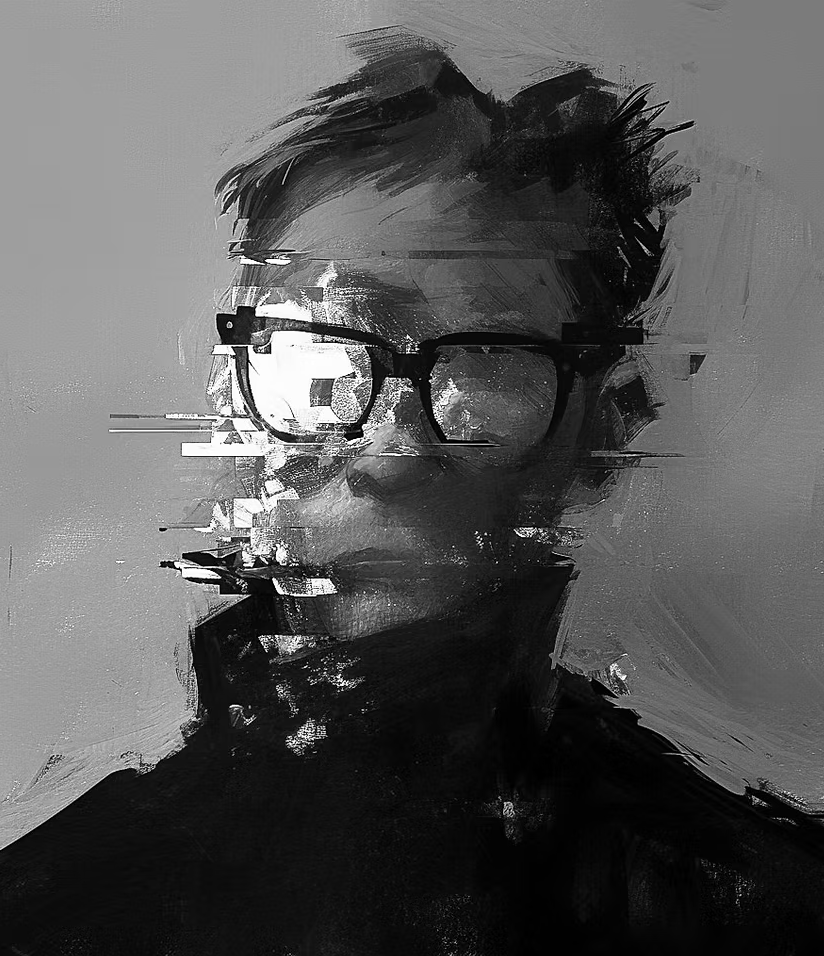
![Portrait of Artist, Chris Oakley]()
Chris Oakley
UK
-
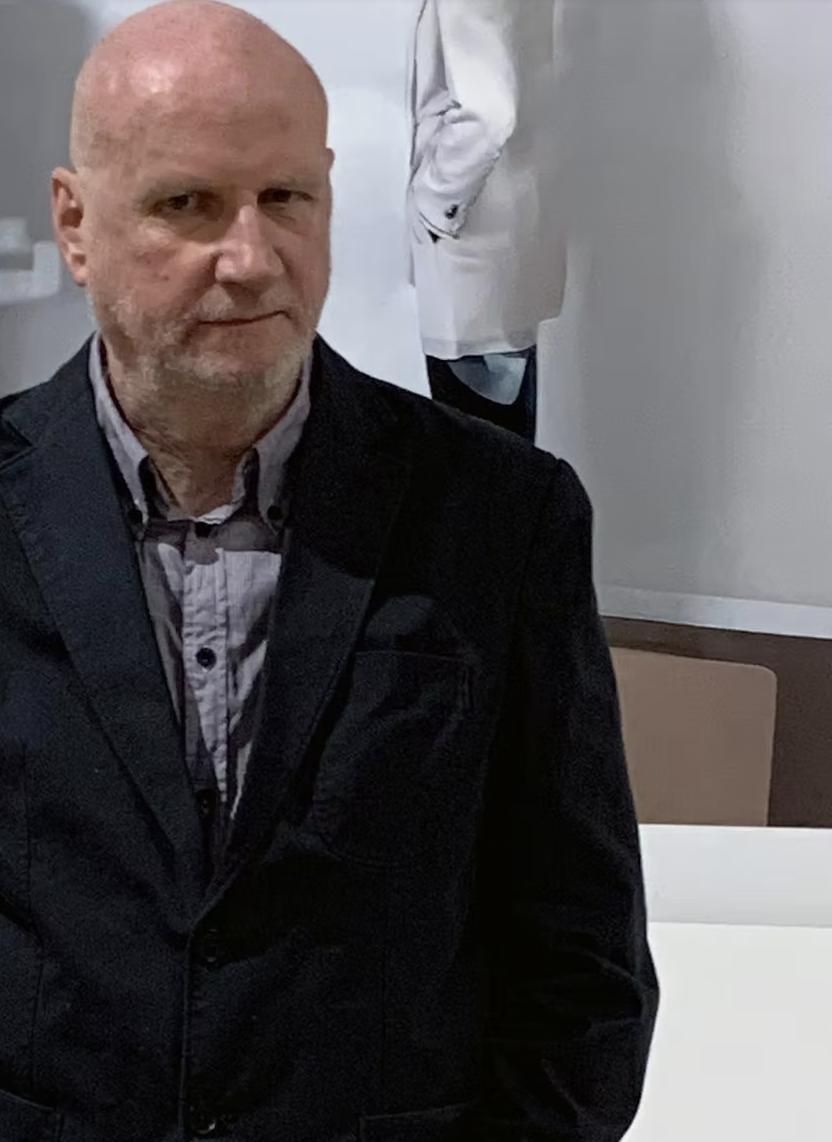
![Portrait of Artist, David Loh]()
David Loh
Malaysia
-
![Portrait of Artist, Taimaz Ashtari]()
Taimaz Ashtari
Iran / Italy
-
![Portrait of Artists, Aeneas MacRae]()
Aeneas MacRae
Canada
-
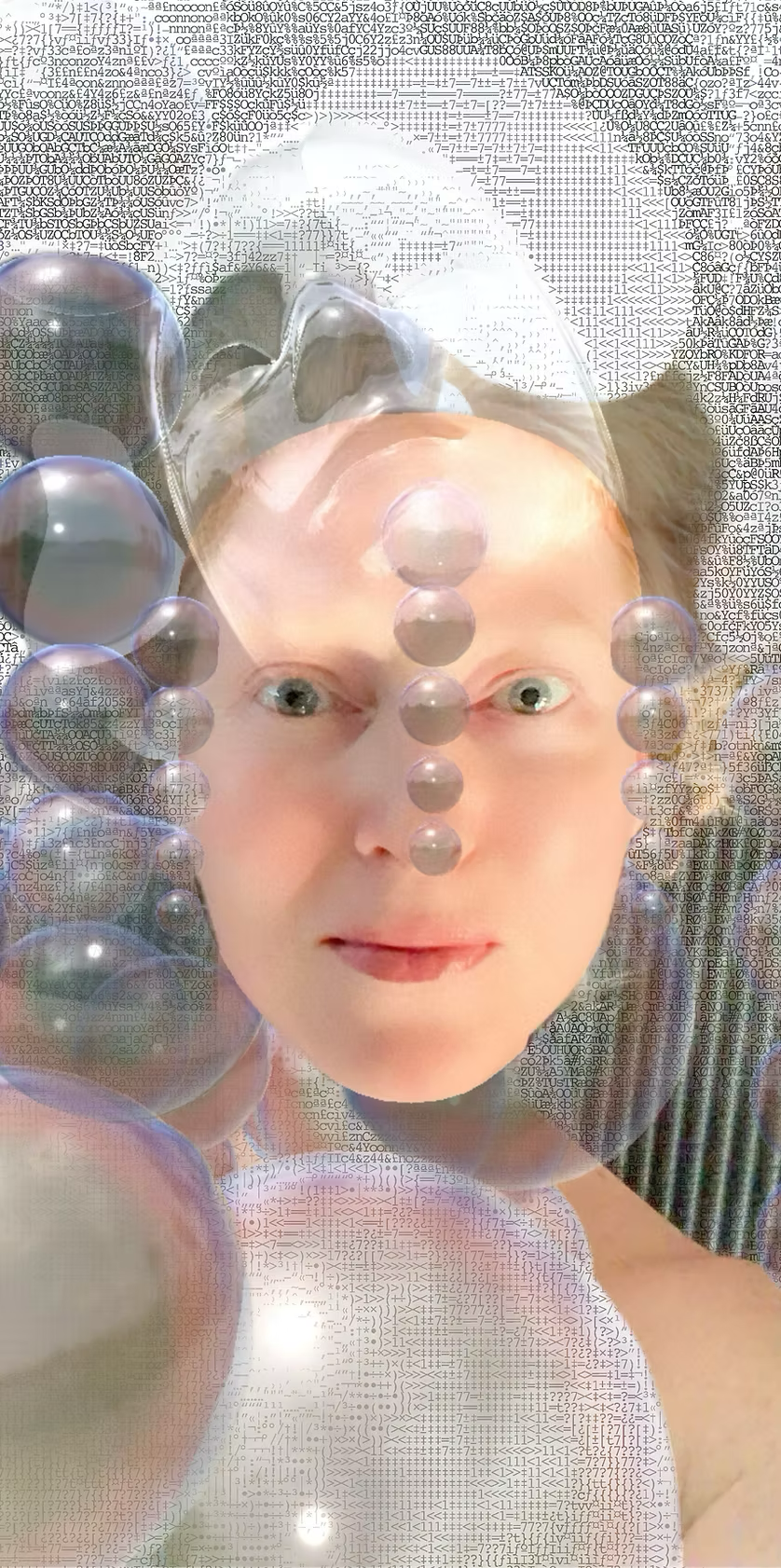
![Photo of digital artist, Æther Cavendish]()
Æther Cavendish
San Francisco
-
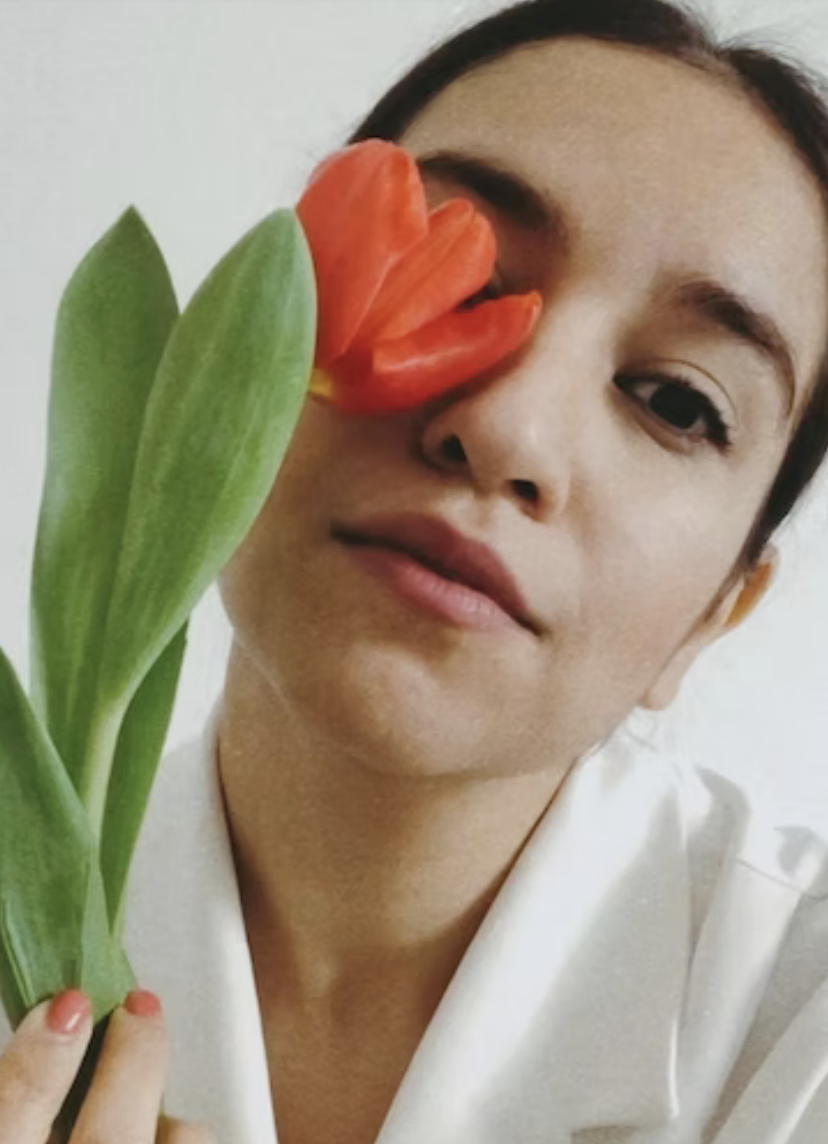
![Photo of digital artist, Heather N. Stout]()
Heather N. Stout
U.S.
-
![Logo of anon digital artist, V Creative Lab]()
Virtual Creative Lab
Italy

The Art
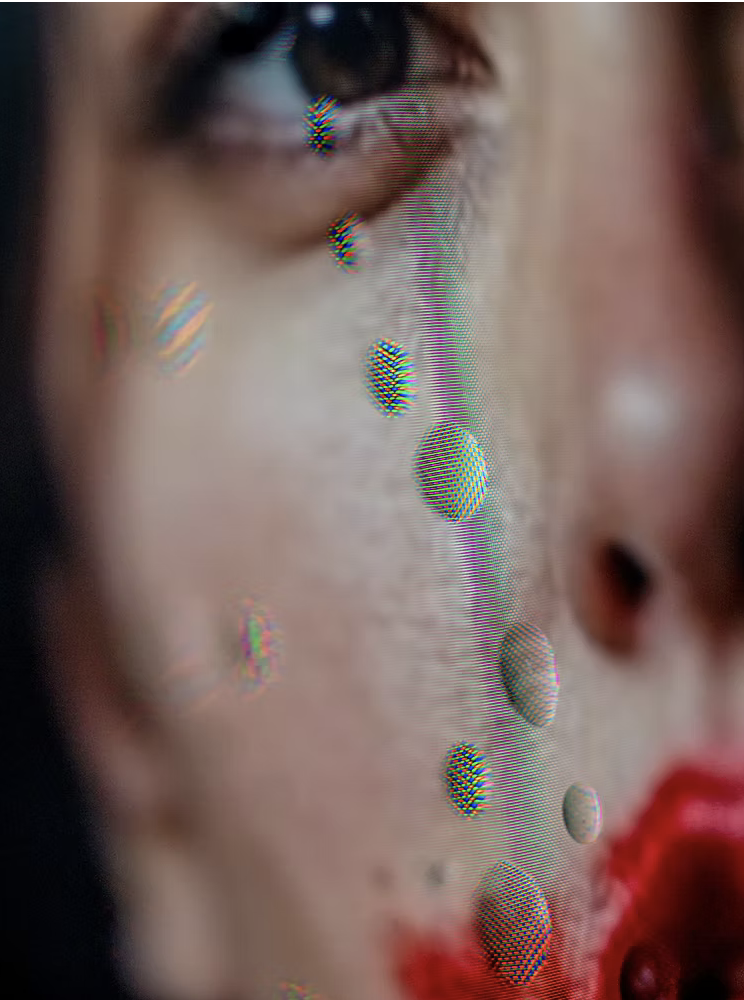
20" x 30" archival print on Hahnemuhle Photorag fine art paper, editions of 3. Print comes with NFT.
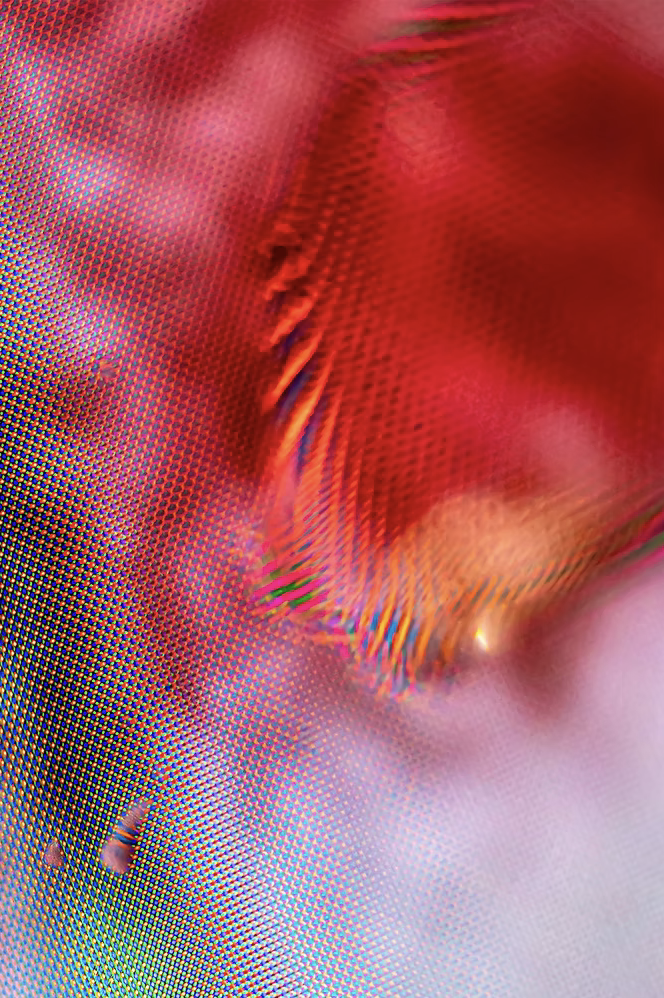
20" x 30" Archival print on Hahnemuhle Photorag fine art paper, editions of 3. Print comes with NFT.
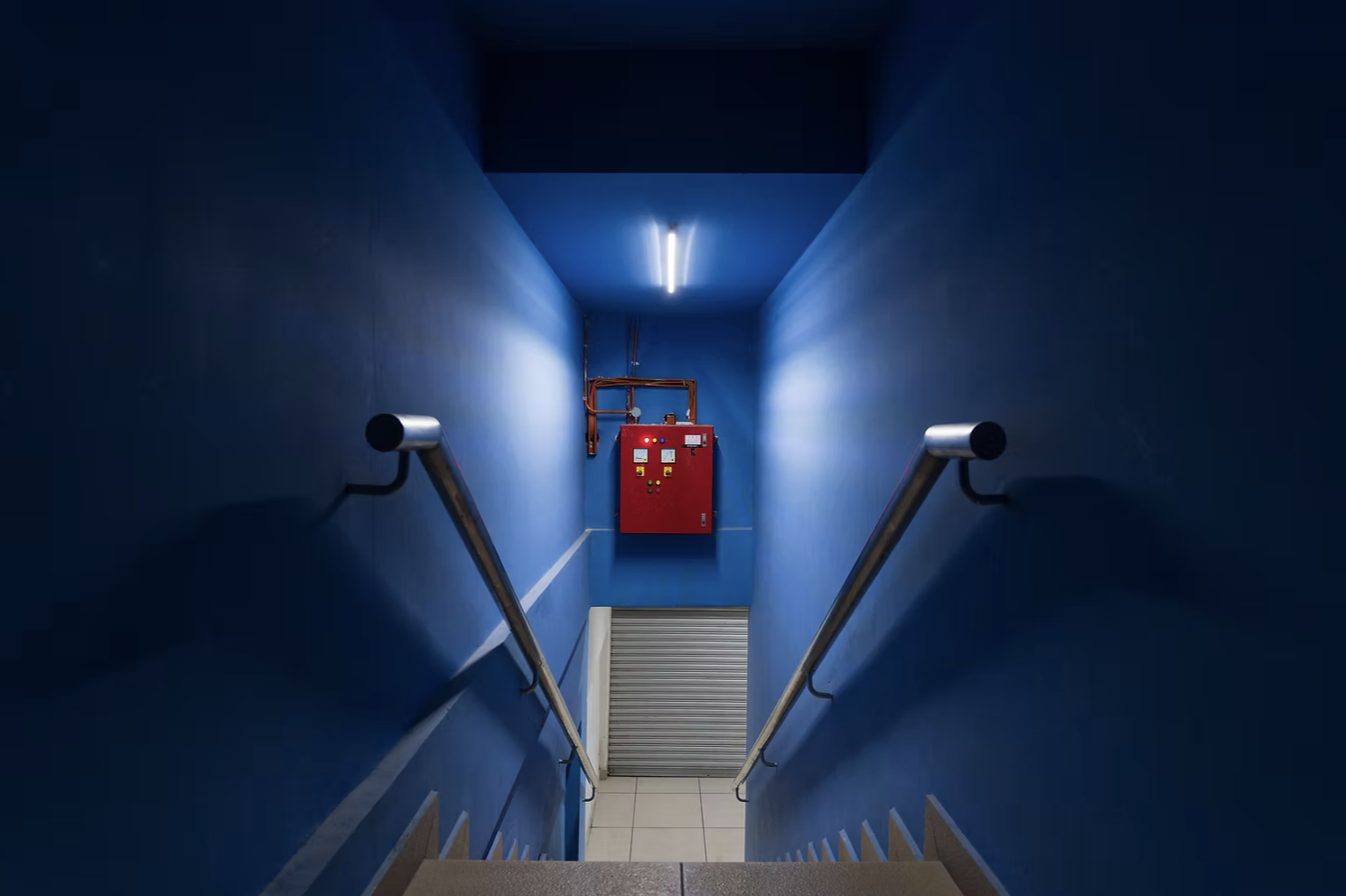
30" x 20" archival print on Hahnemuhle Photorag fine art paper, edition of 1. Print comes with NFT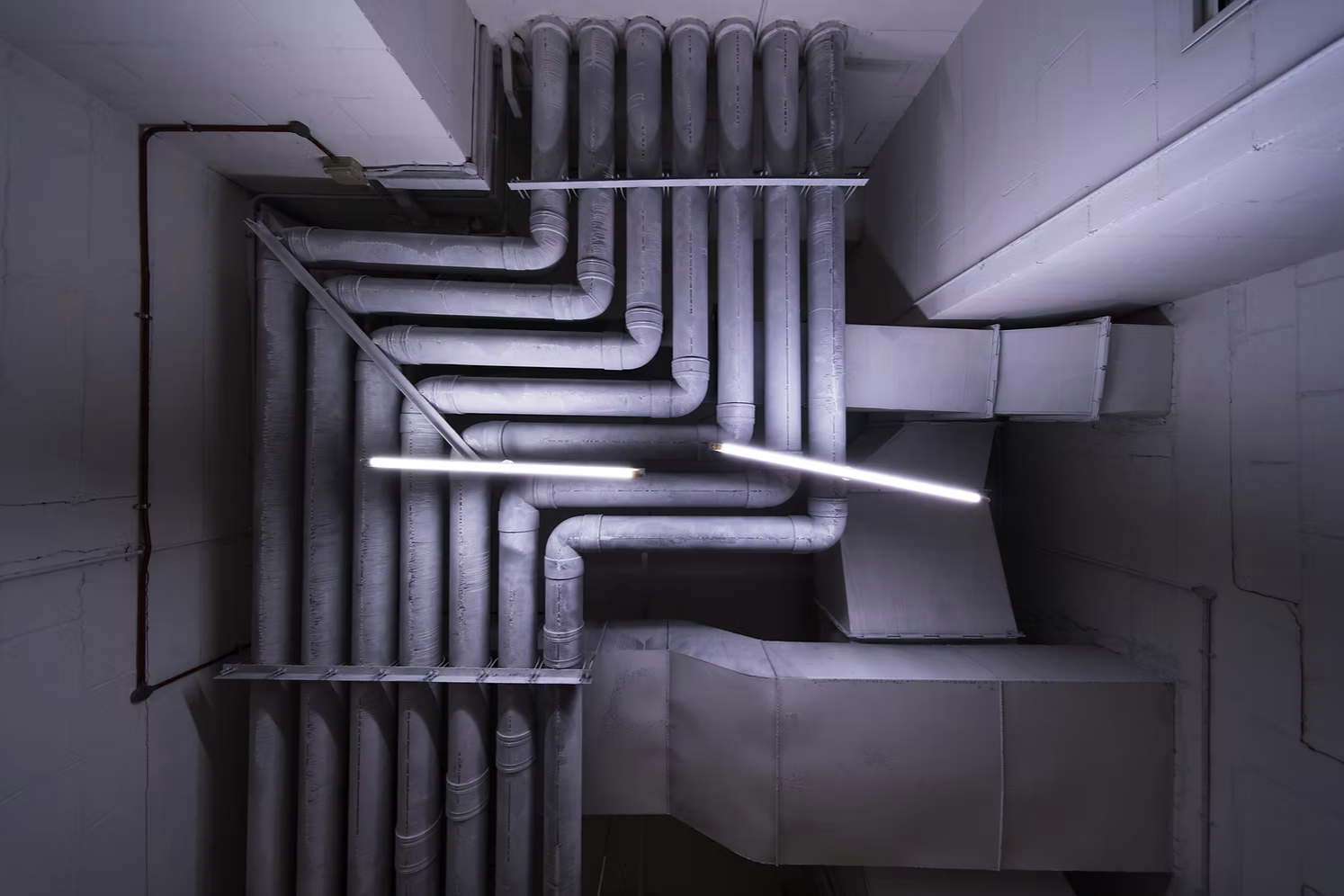
30" x 20" archival print on Hahnemuhle Photorag fine art paper, edition of 1. Print comes with NFT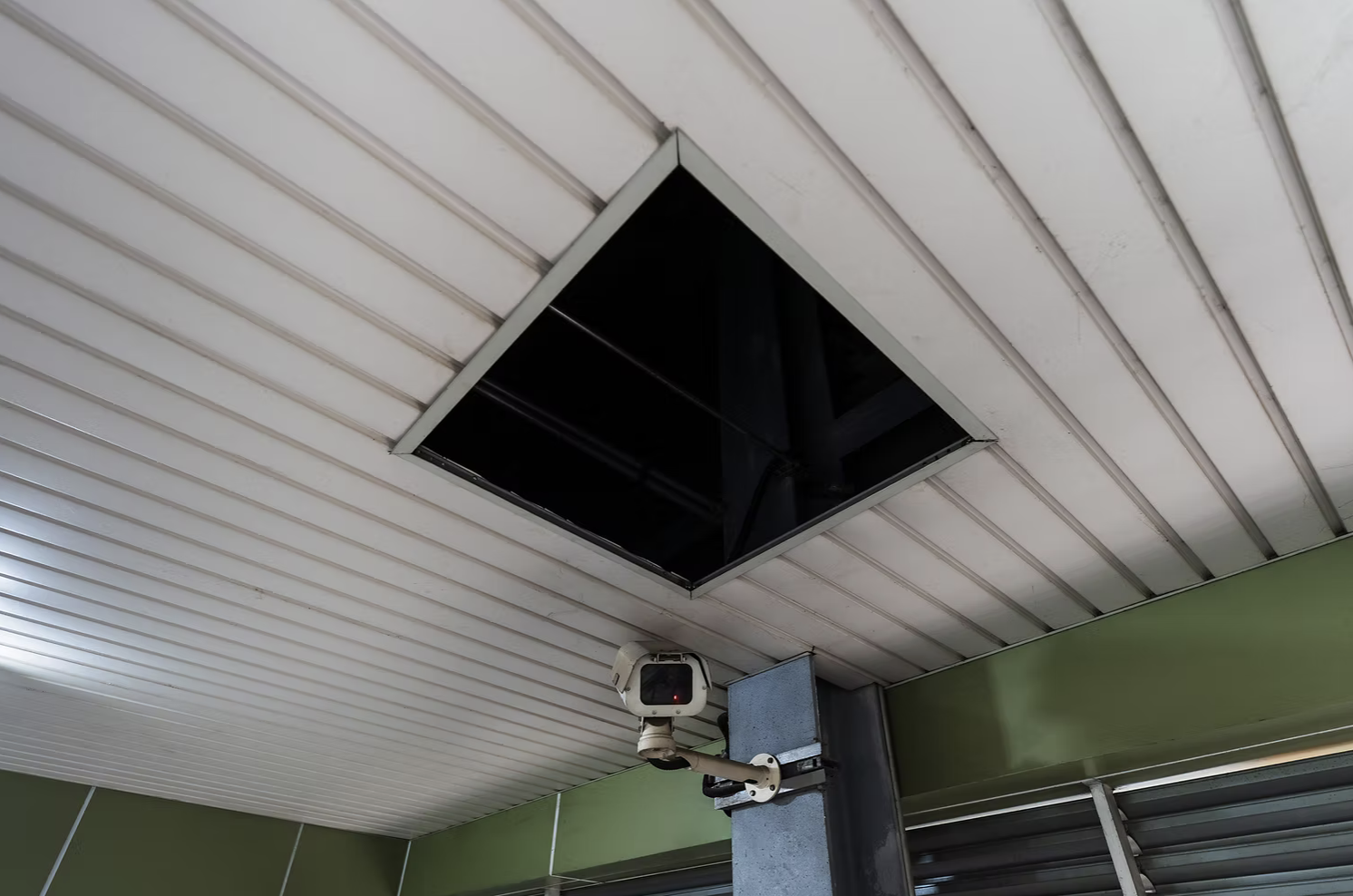
30" x 20" archival print on Hahnemuhle Photorag fine art paper, edition of 1. Print comes with NFT
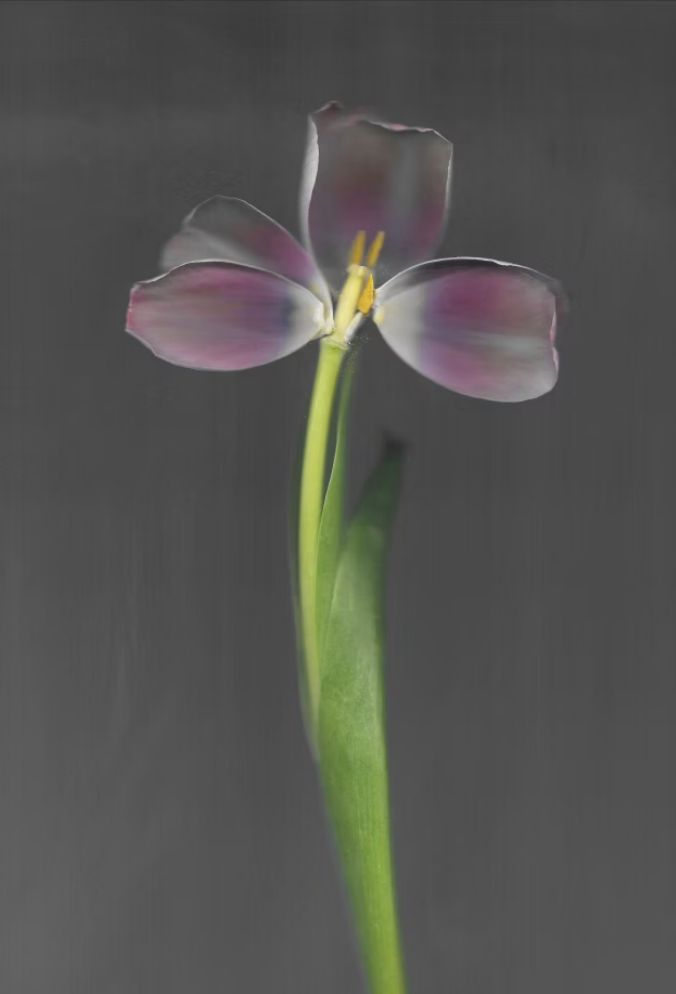
23" x 33" archival print on Hahnemuhle Photorag fine art paper, editions of 1 with NFT. From the FloraSentiential series, IV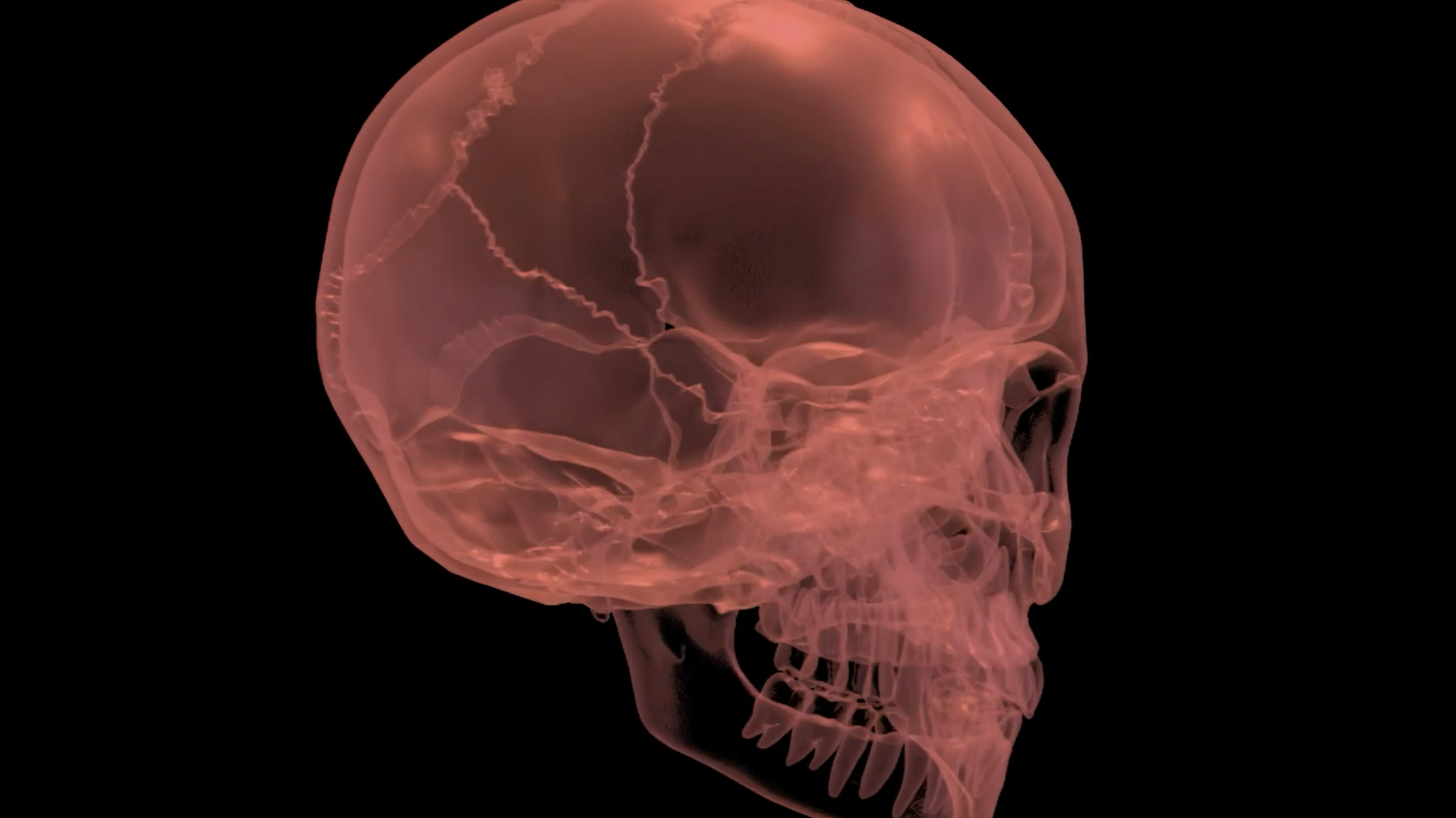
Protocol of Contact (Edition 1/1) - by Æther Cavendish Original A/V Installation, 3’15”. Comes with physical Protocol and silk scarf.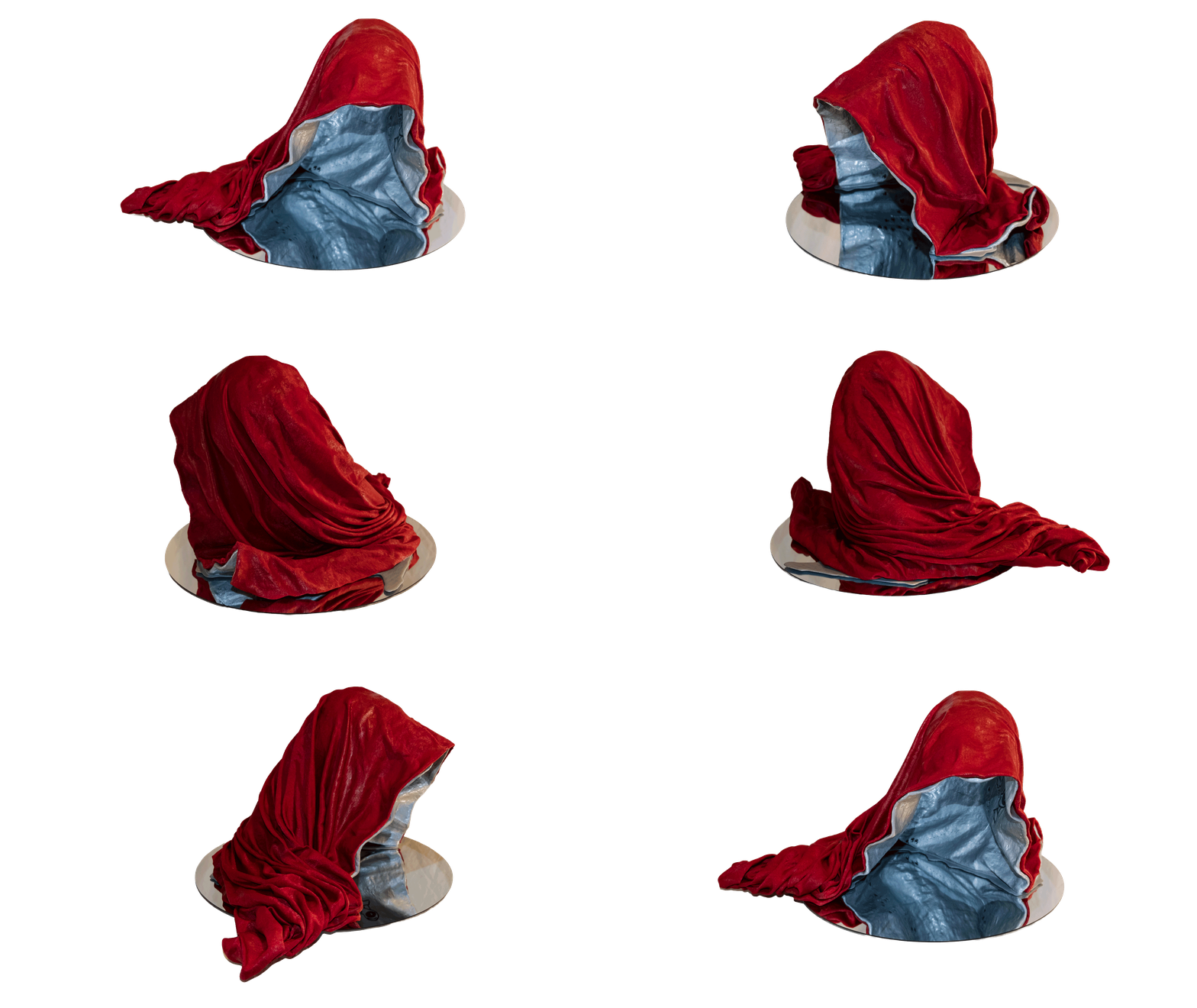
Mixed media sculpture, 2025, 13.75” × 25.12” × 20”
wire, cloth, plaster, resin, various acrylic paints and finishes, vinyl stickers, fabric, mirror base. Sculpture comes with NFT 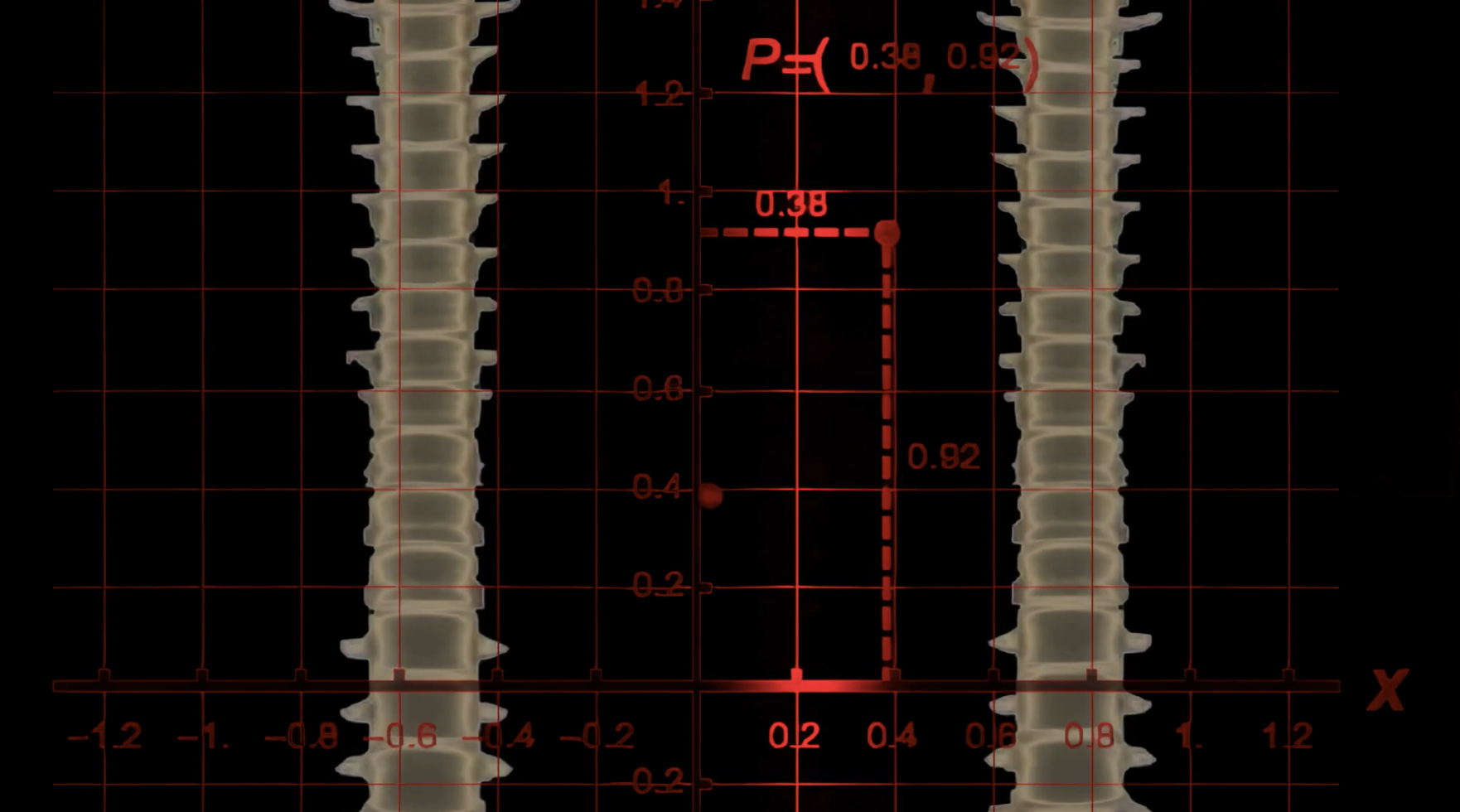
Protocol of Contact: Machine Yearning (Editions 1–10). Available only as NFT (visit Transient Labs drop page)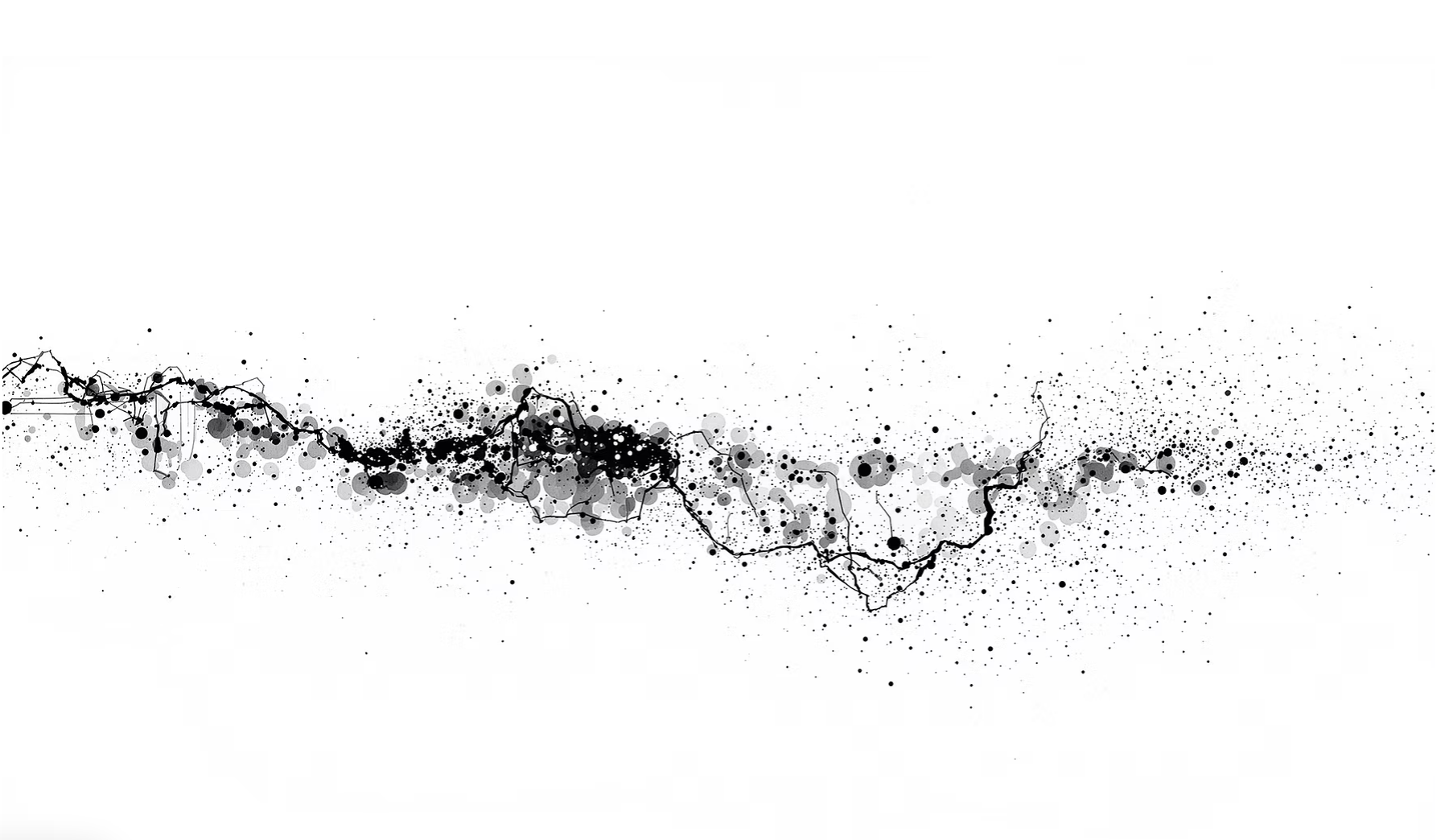
30" x 20" Fine art print on Hahnemuhle Photo Rag 308 GSM. Single Edition. Print comes with NFT.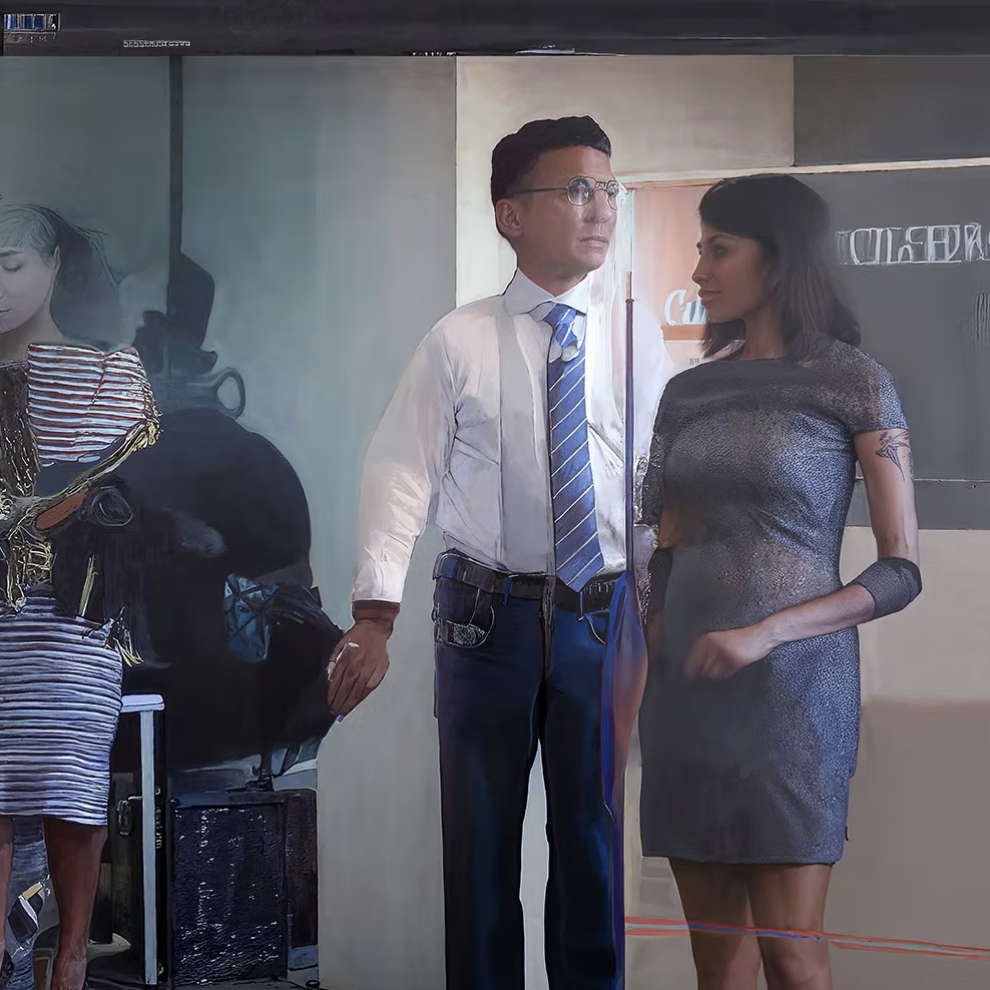
36" x 36" archival print on Epson Lustre fine art paper, editions of 1. Print comes with NFT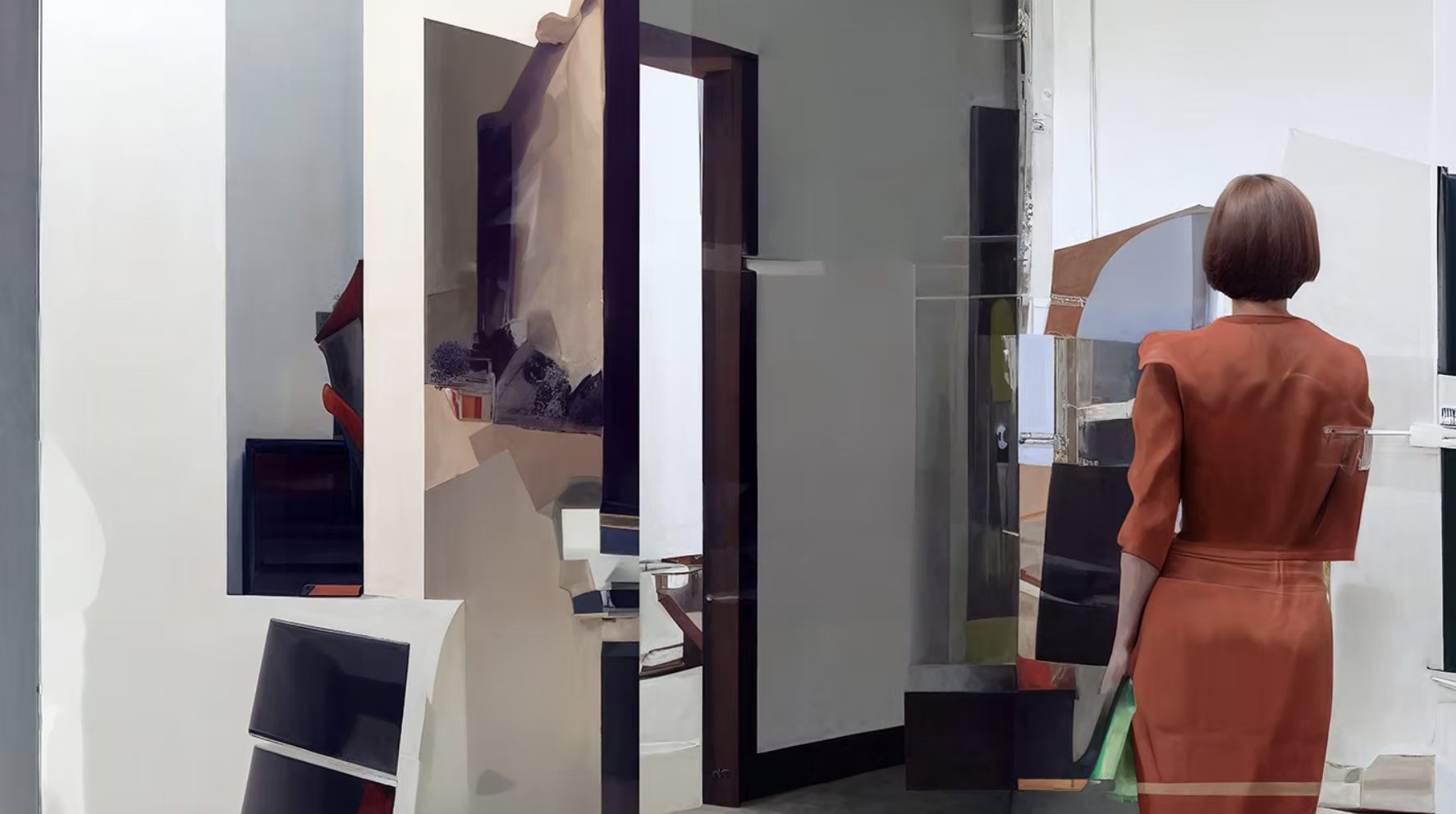
30" x 54" archival print on Epson Lustre fine art paper, editions of 1. Print comes with NFT